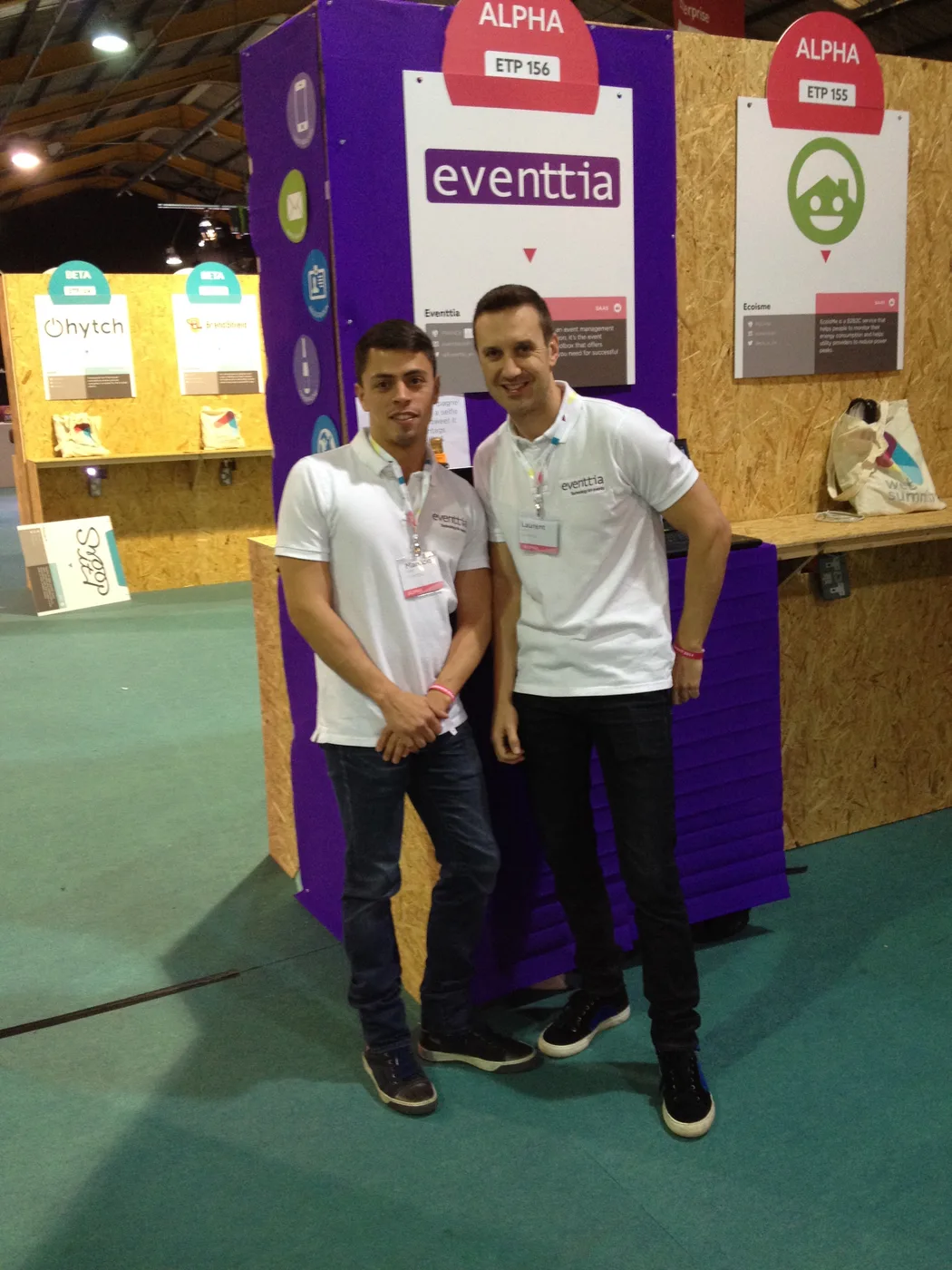
Founded.
Initial vision: event software for everyone. Started across France and Colombia at the same time, building registration and check-in for whoever would buy. Lots of small customers, lots of feature requests, no clear shape yet.
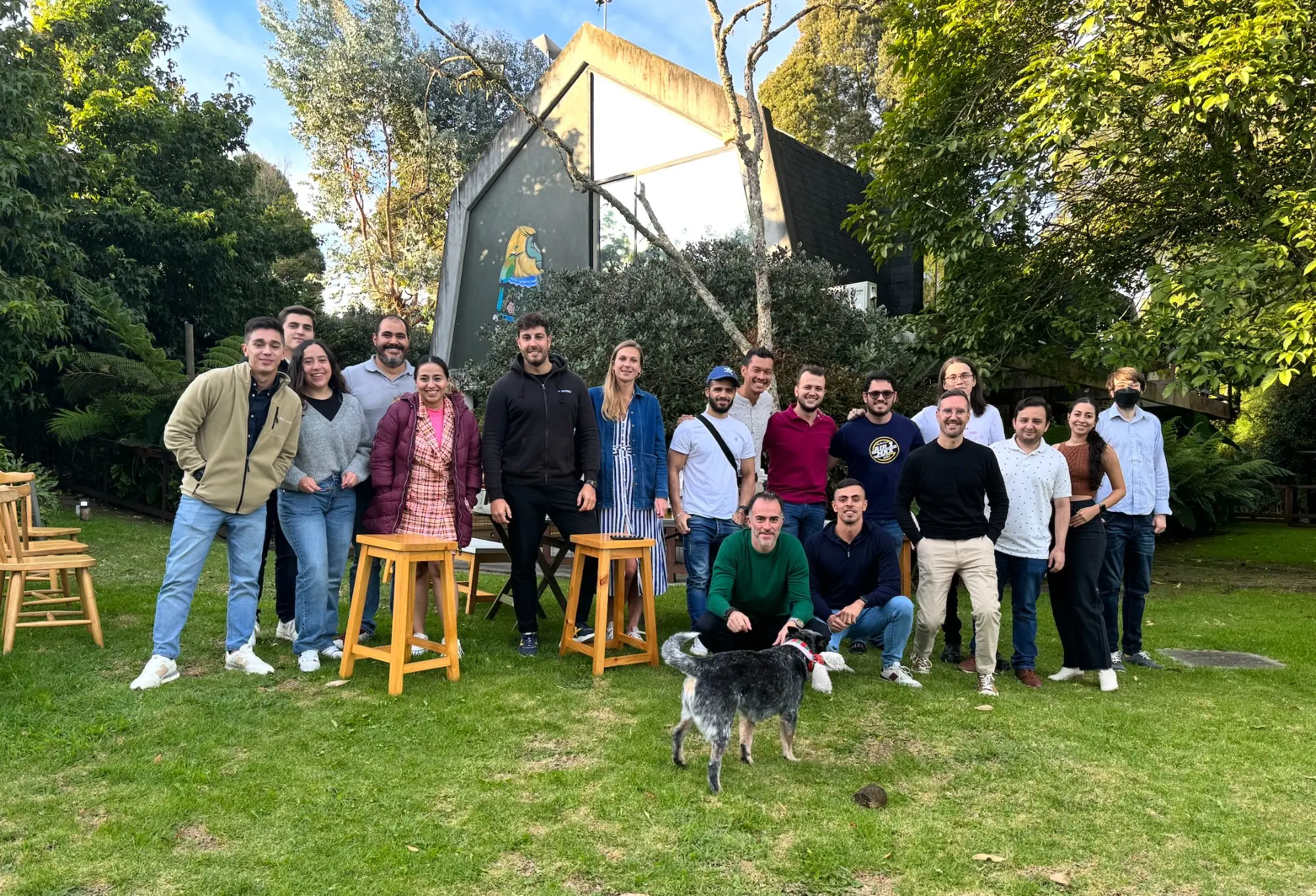
We've spent more time on calls with customers than on any roadmap. Most of what's in the platform started as a problem someone described, not a feature we thought of.
A note
Eventtia started in 2014. I was at Accenture in Paris. My cousin Esteban was in Medellín, building registration tools for event organizers and seeing how broken the existing software was. We decided to partner up across both countries, in French, English, and Spanish from day one. That's been the DNA ever since.
Twelve years in, we're less interested in tools and more interested in programs. The companies we now spend most of our time with don't run "an event." They run a calendar of events that lasts the year. The platform has to think that way too. We're at our best when we work with teams taking events to scale, where recurring needs can be absorbed into the platform instead of solved over and over.
We've gotten things right. Registration has always been the core, and we built it around the actual challenges the people running events face, not around what was easy to ship or what was hyped that quarter. For the global brands who need to own the attendee experience end-to-end, luxury maisons especially, we put them in the front and gave them the show; white-label runs deep across every surface a guest can see. We made the API deep and wide enough that customers can build directly on top of it: their own apps, registration experiences, internal workflows.
We've gotten things wrong too. For years we tried to build a platform good for every event, every company, every industry. We kept saying yes to every direction it pulled us in. Eventually we realized we couldn't be the best at everything. So we specialized, and learned to say no.
If you've made it this far on the page, you're probably evaluating us against alternatives. We'd rather have a conversation than have you read more copy. The "Talk to us" button works. On the other side you'll find someone on the team who actually understands your situation.

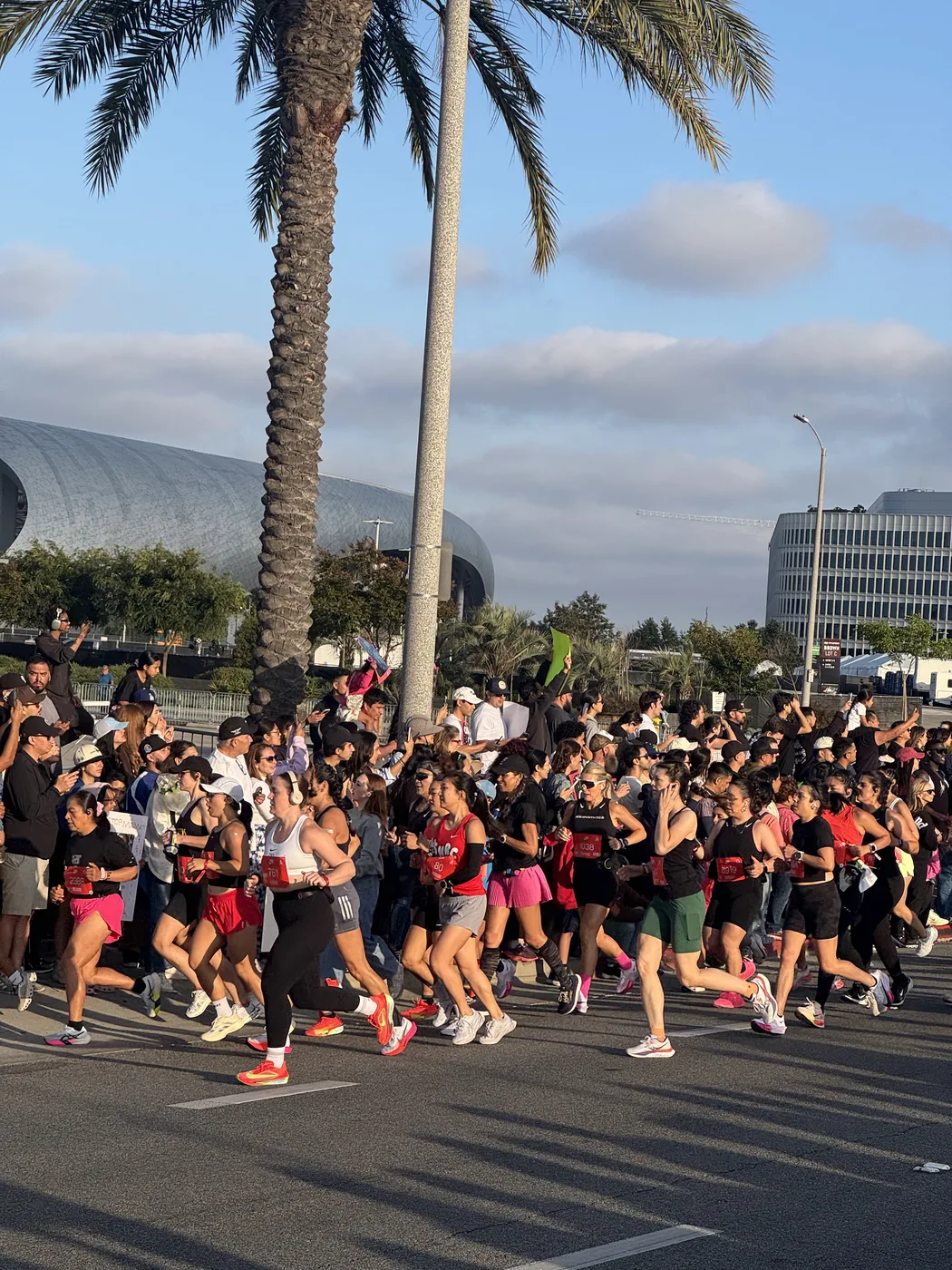
A small sample from a recent calendar year. The variety is what tells you what the platform is for.
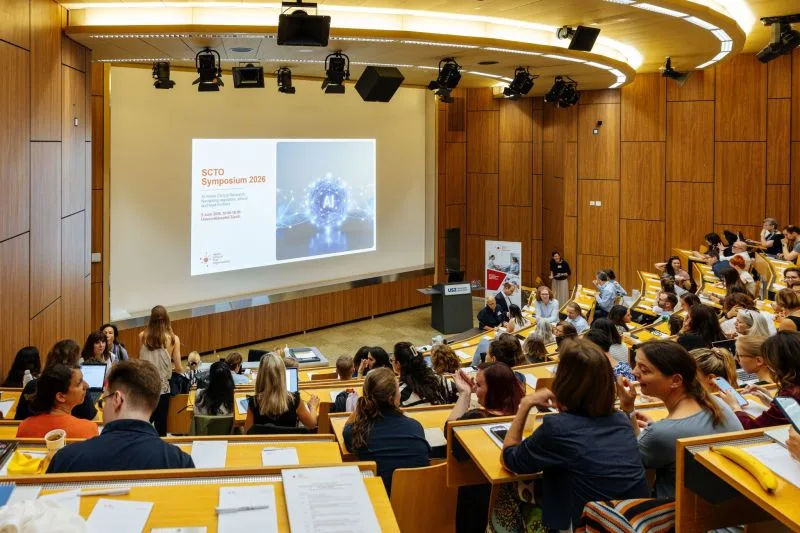
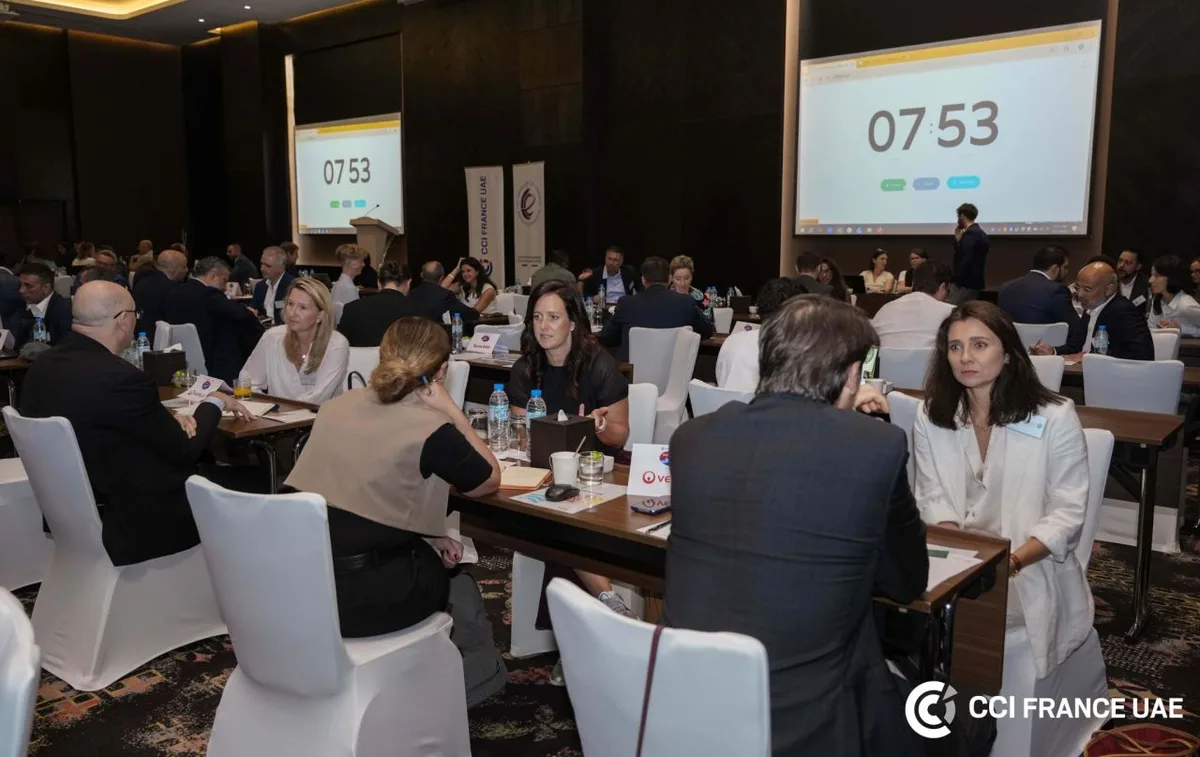
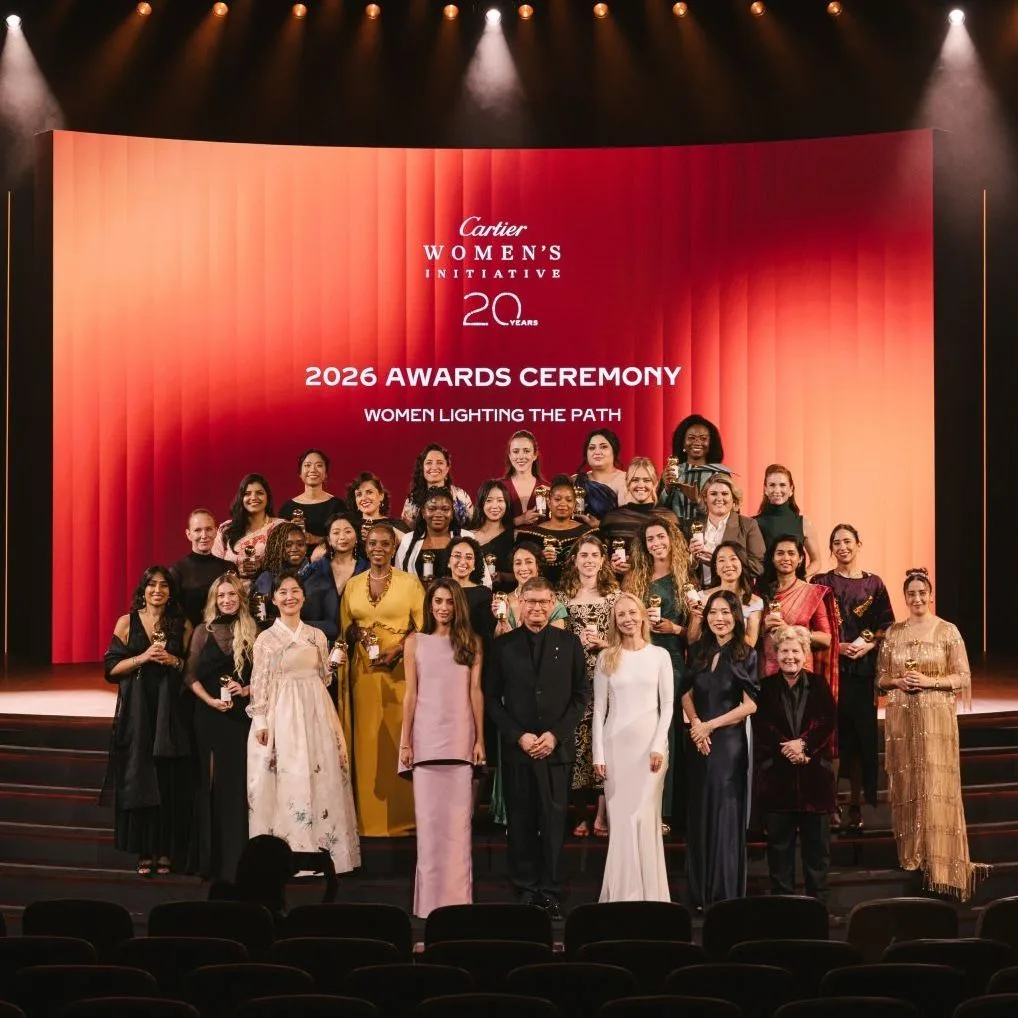
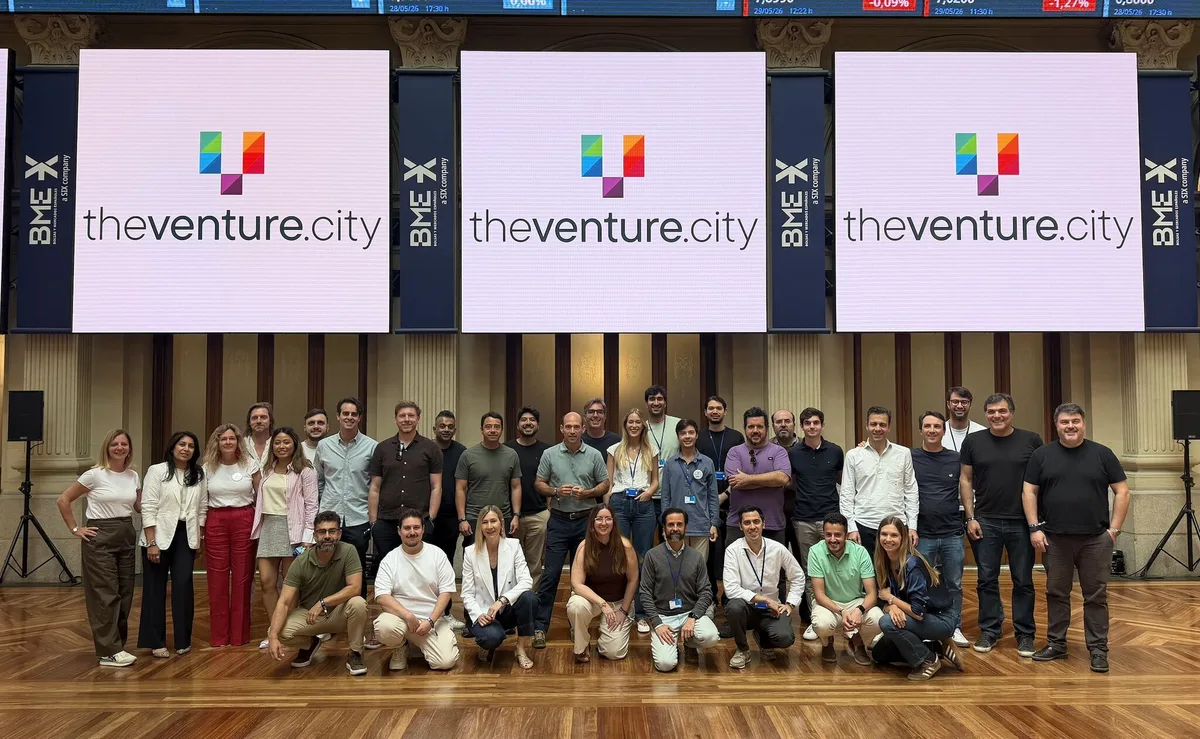
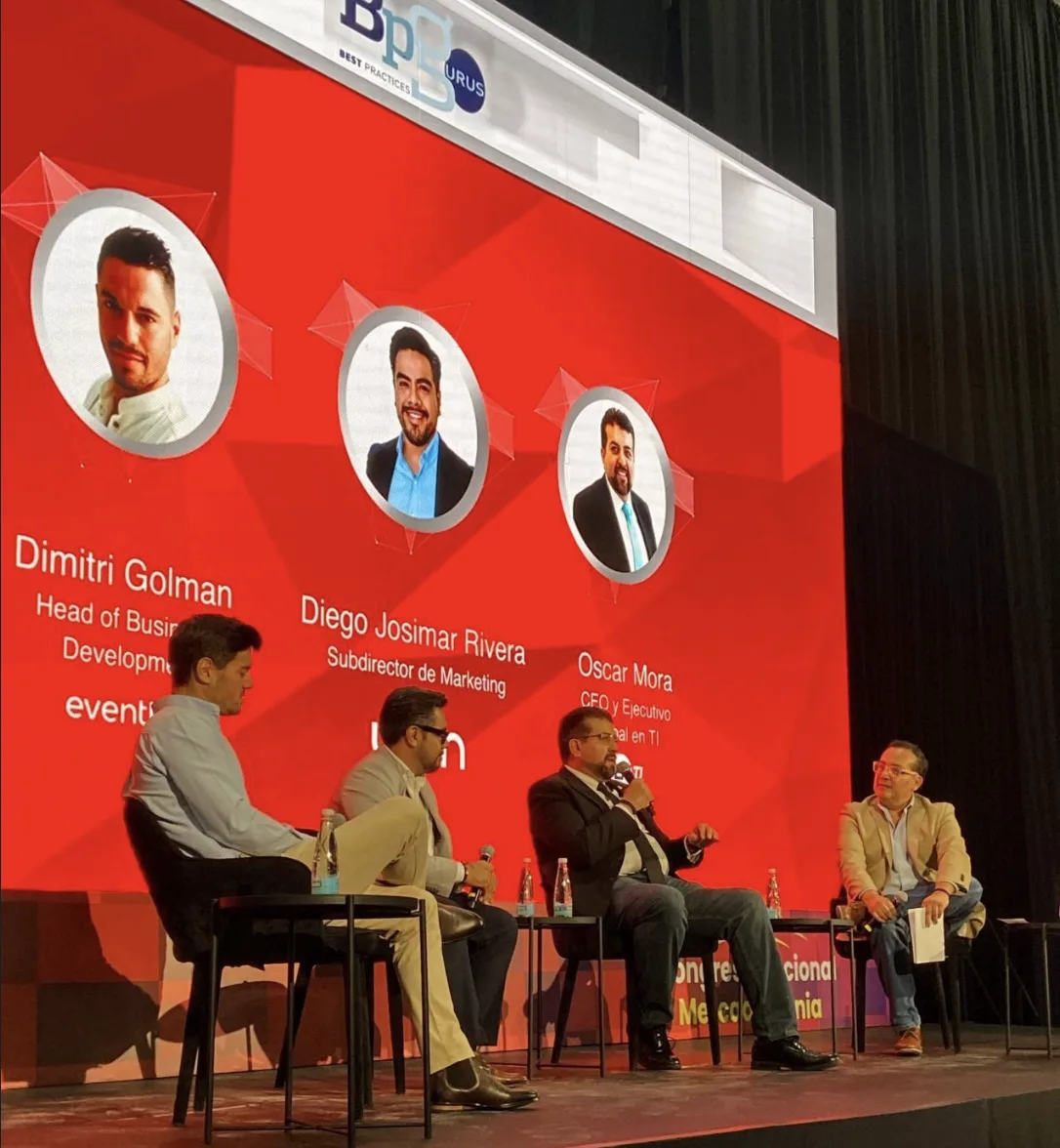
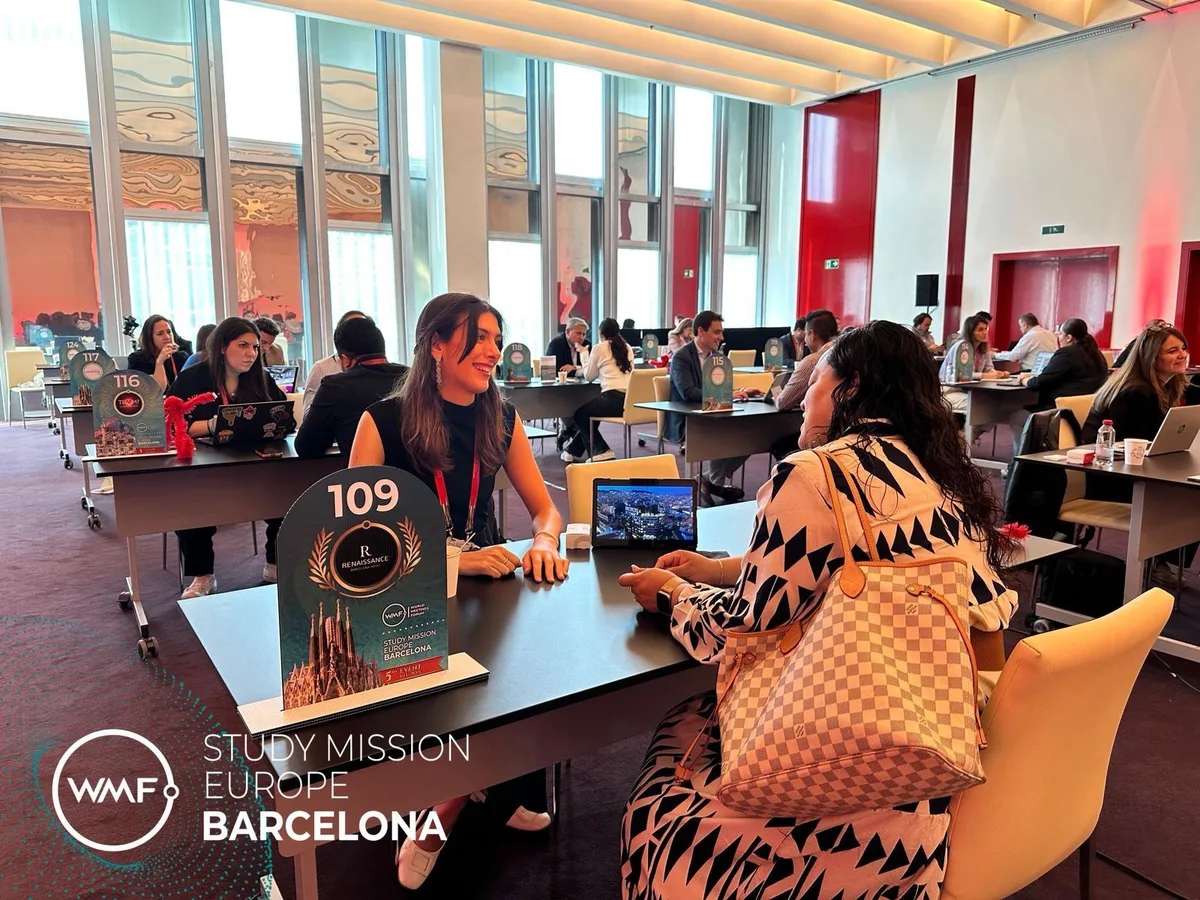
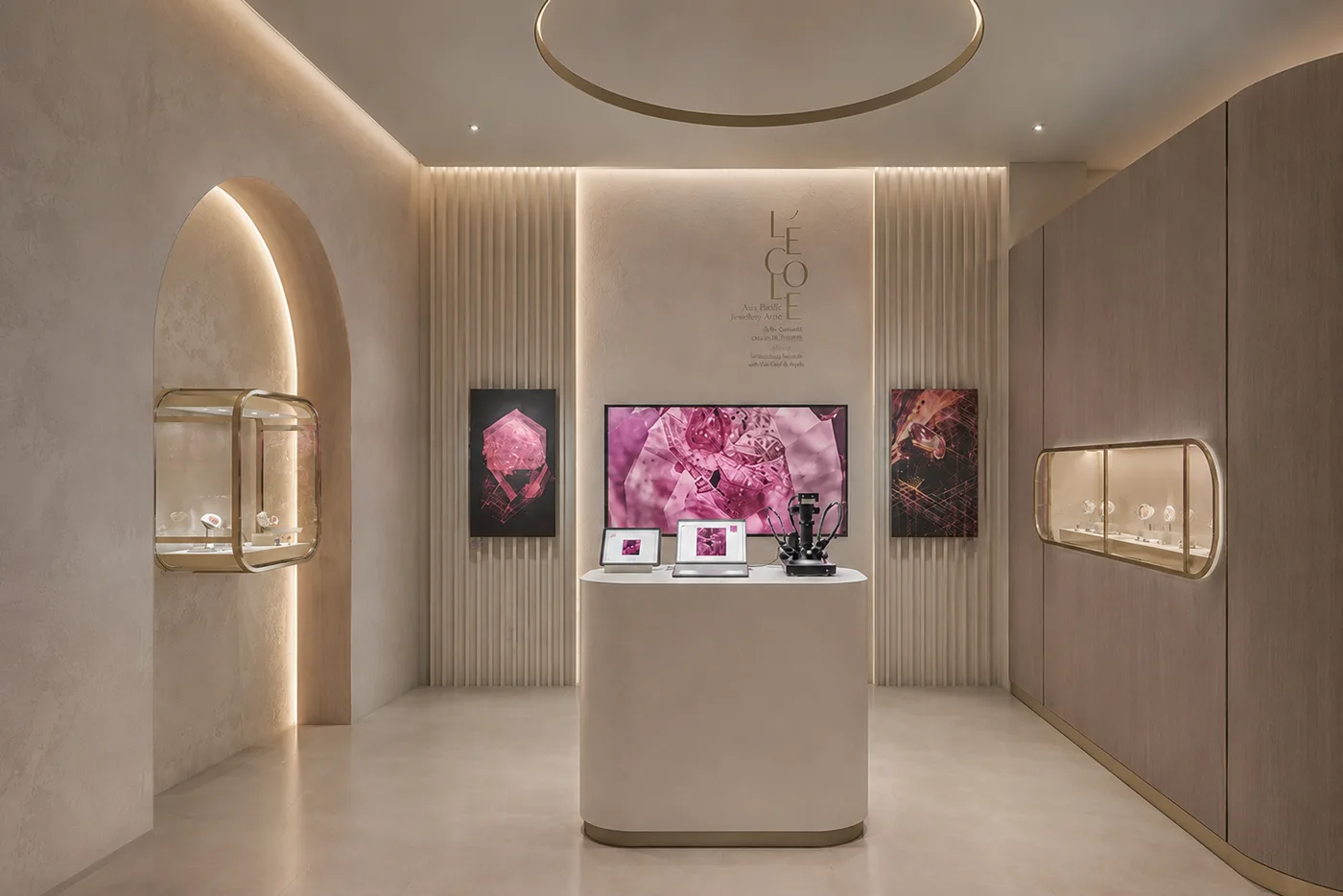
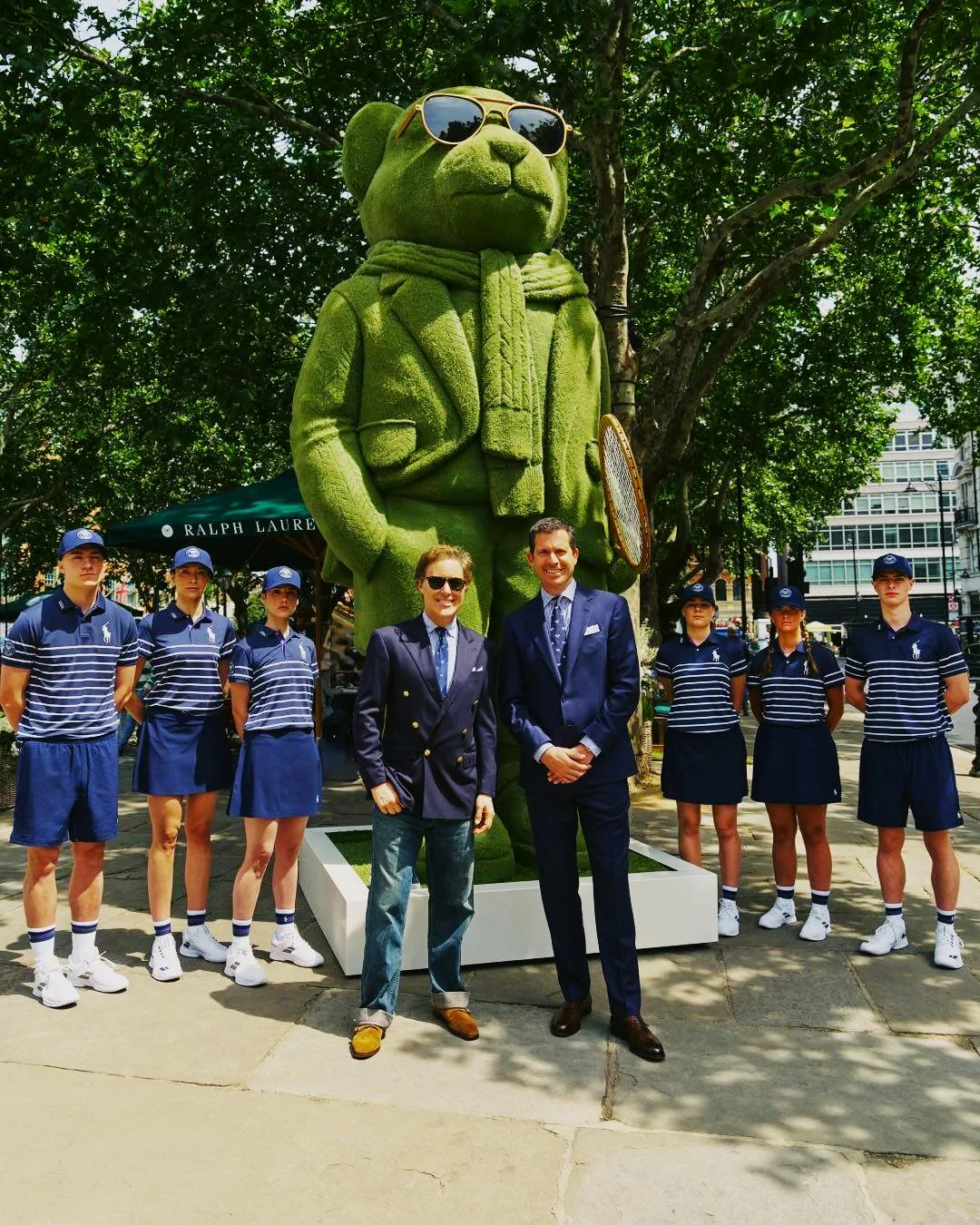
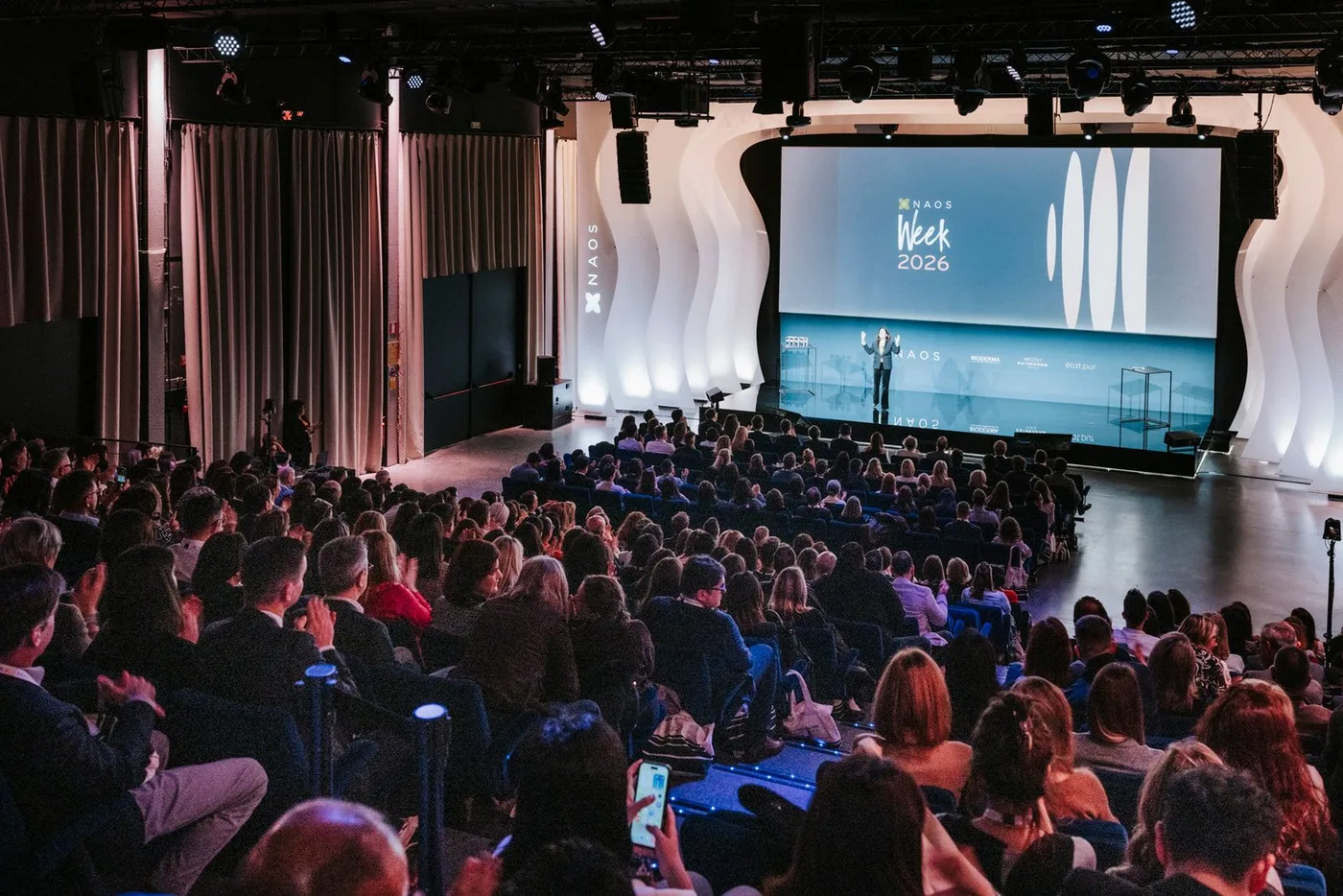
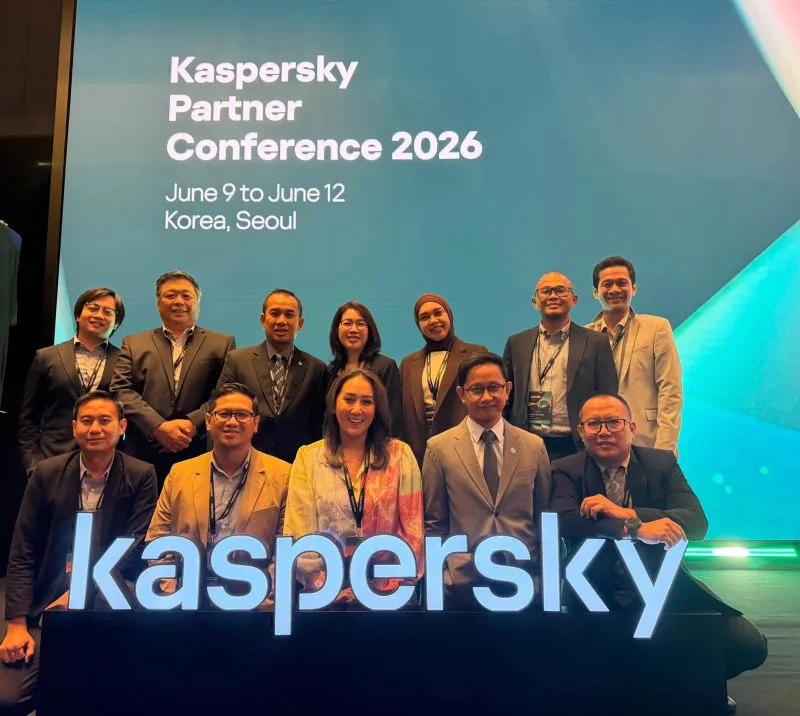
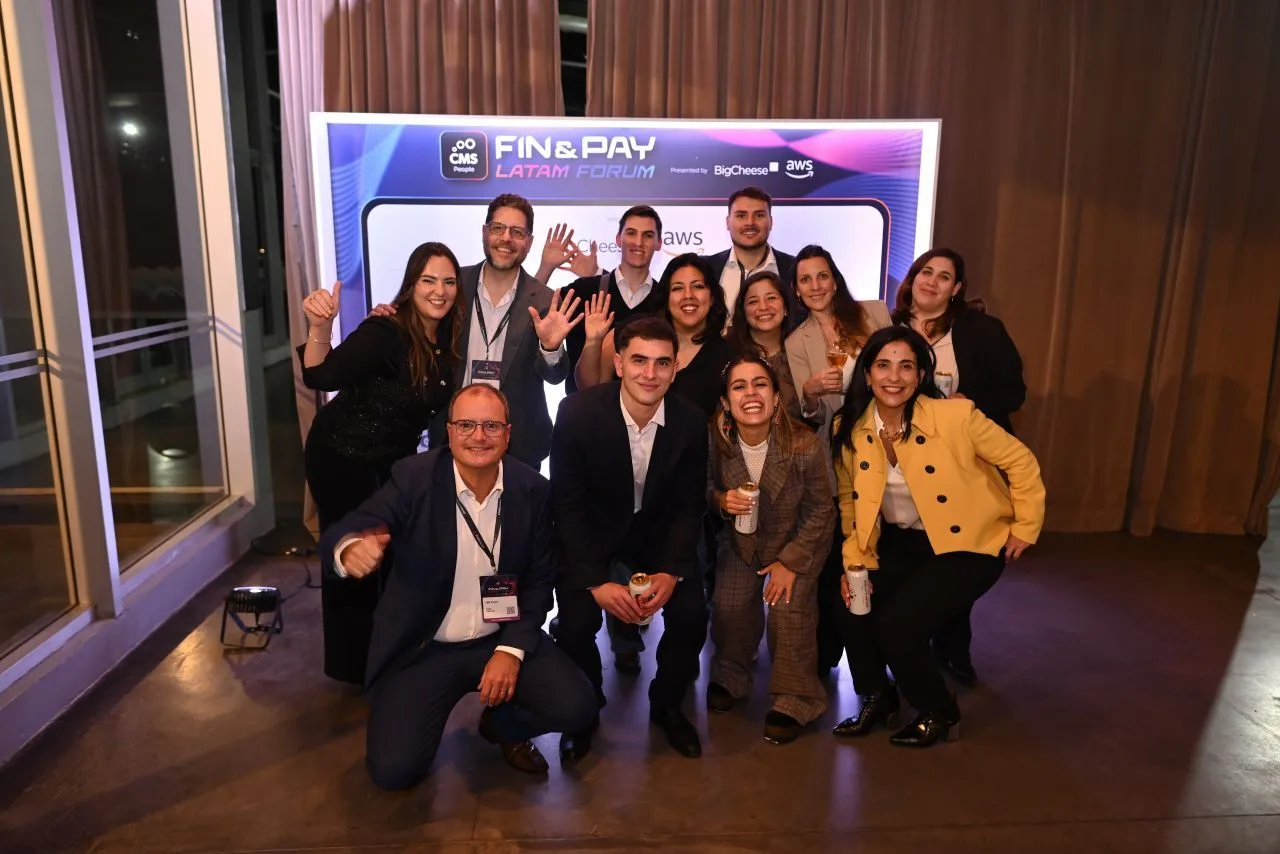
Customers run programs across Europe, the Americas, Africa, and Asia. The team works from twelve cities across five continents.
Eventtia is infrastructure. The attendee should see your colors, your logos, your voice, your tone. If they ever see Eventtia in their flow, something failed upstream. That's why white-labeling goes as deep as your brand needs it to: from your look on the registration page to fully invisible infrastructure.
We don't sell licenses and walk away. The relationship starts before the contract and continues through year three and beyond. That's why our median enterprise tenure is years, not quarters.
The API surface is deep, the documentation is real, the data is yours, the exit door is unlocked. Lock-in builds short-term revenue and long-term resentment. We'd rather you stay because the work is good.
A platform that bends in every direction ends up shaped like nothing. We'd rather build one with a clear opinion about how event programs work and run it deep for the customers it fits.
The wins and the pivots. Both belong on the page.
Initial vision: event software for everyone. Started across France and Colombia at the same time, building registration and check-in for whoever would buy. Lots of small customers, lots of feature requests, no clear shape yet.
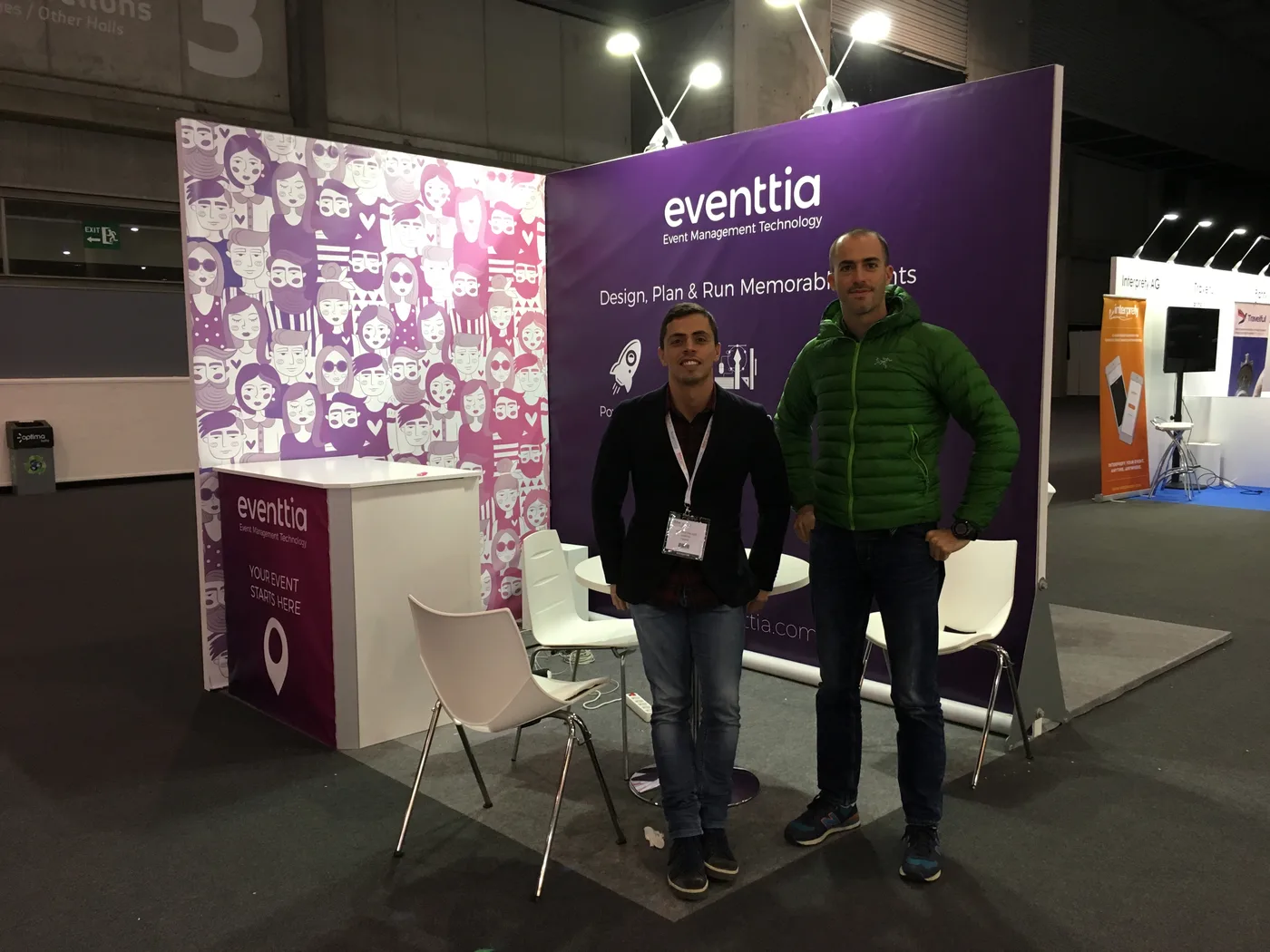
Set up Eventtia Inc in the United States to support international expansion. Pierre Fabre signed on. For the first time the platform had to behave like enterprise infrastructure, not just event software.
The platform handled a single event with 53,000 registered attendees. Made us reconsider what "scale" meant in our roadmap planning.
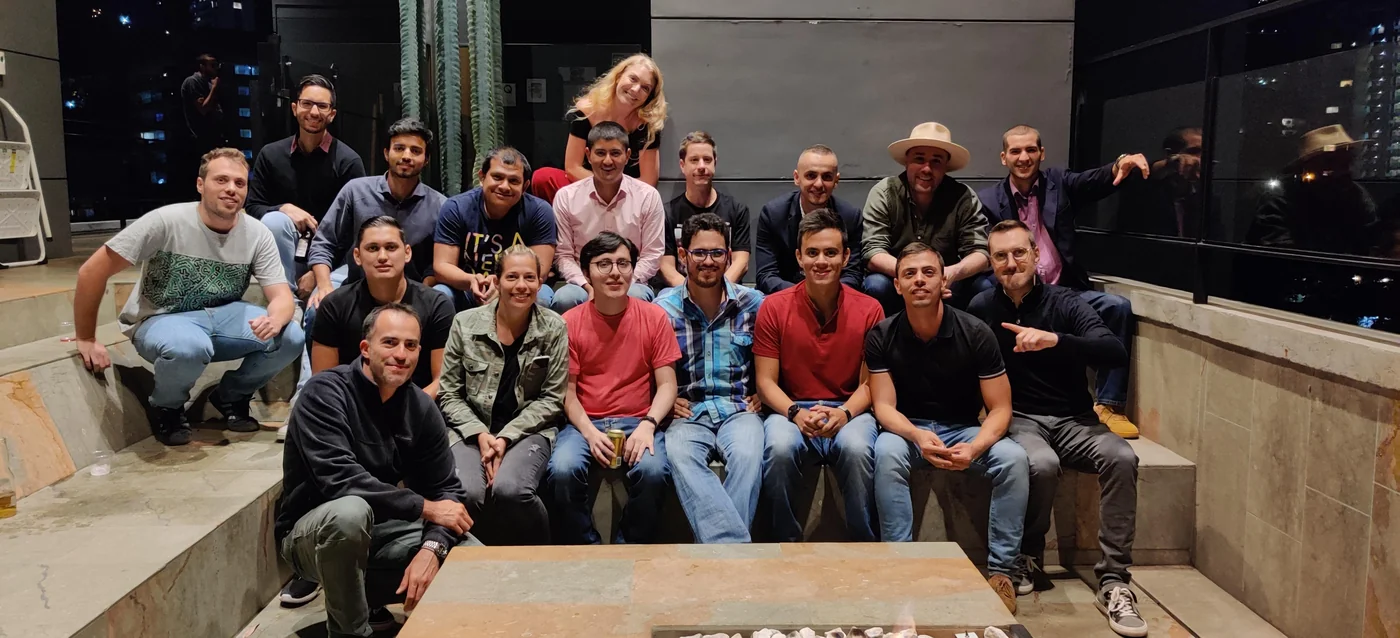
The in-person event business stopped overnight. We rebuilt for virtual, then hybrid. Some bets worked, some didn't. The lesson was that virtual events were never going to replace the in-person market; they were a different product for a different moment. We came out of it with a clearer view of what we were actually for.
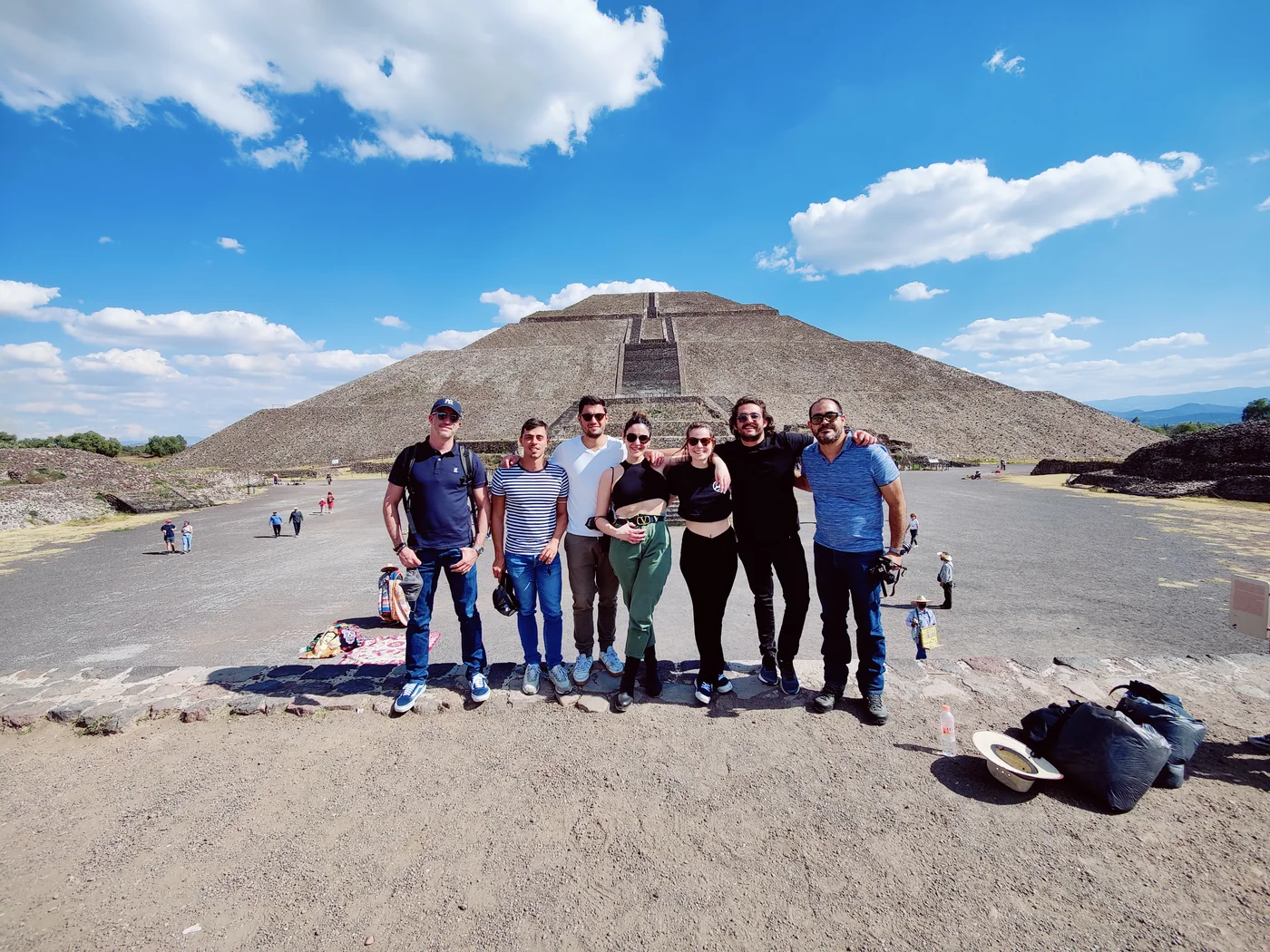
Stopped being "for everyone." Focused the company on enterprise, luxury, and large-scale event operators. Said no to a category of customers we'd been serving for years. It worked.
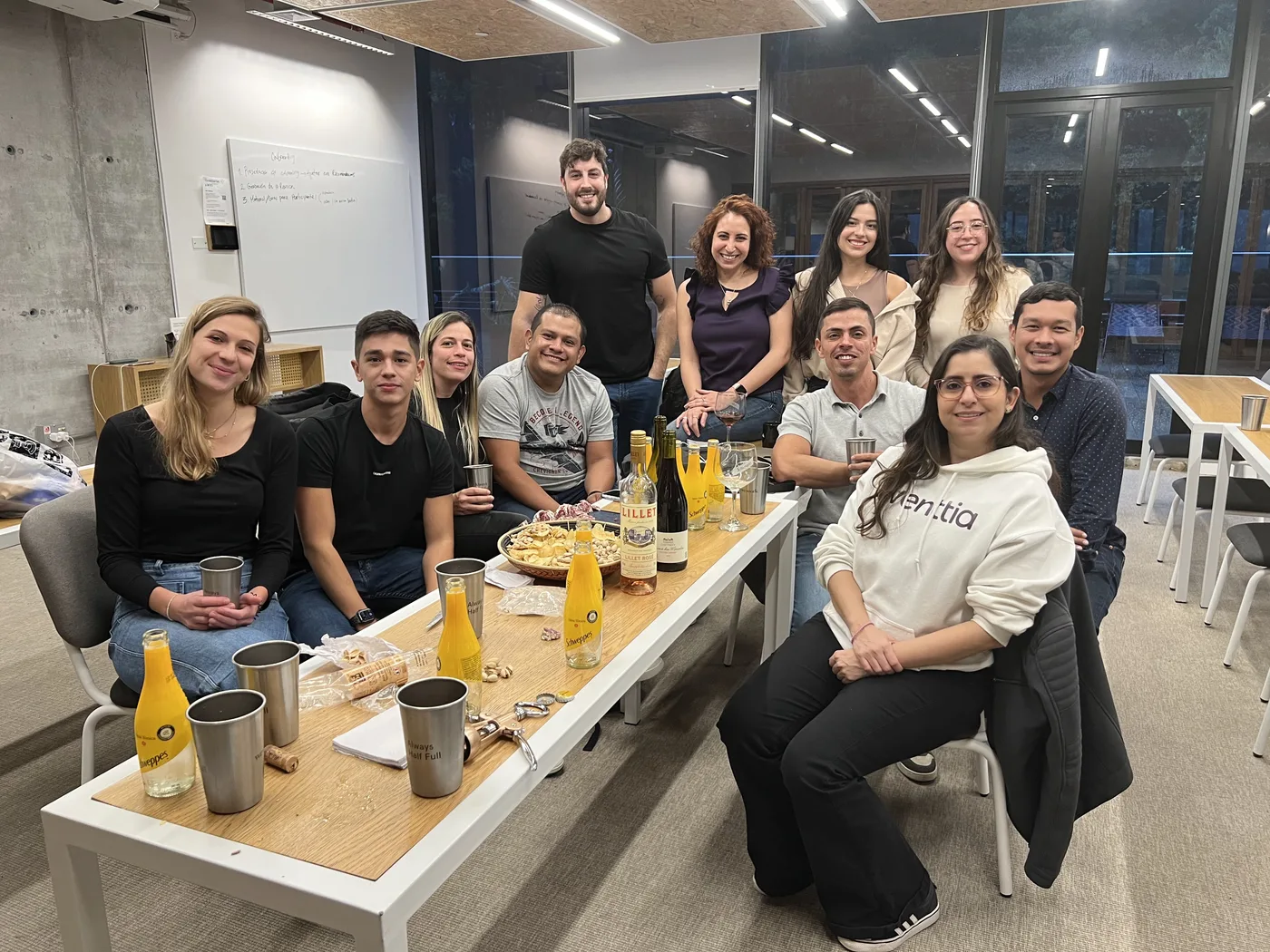
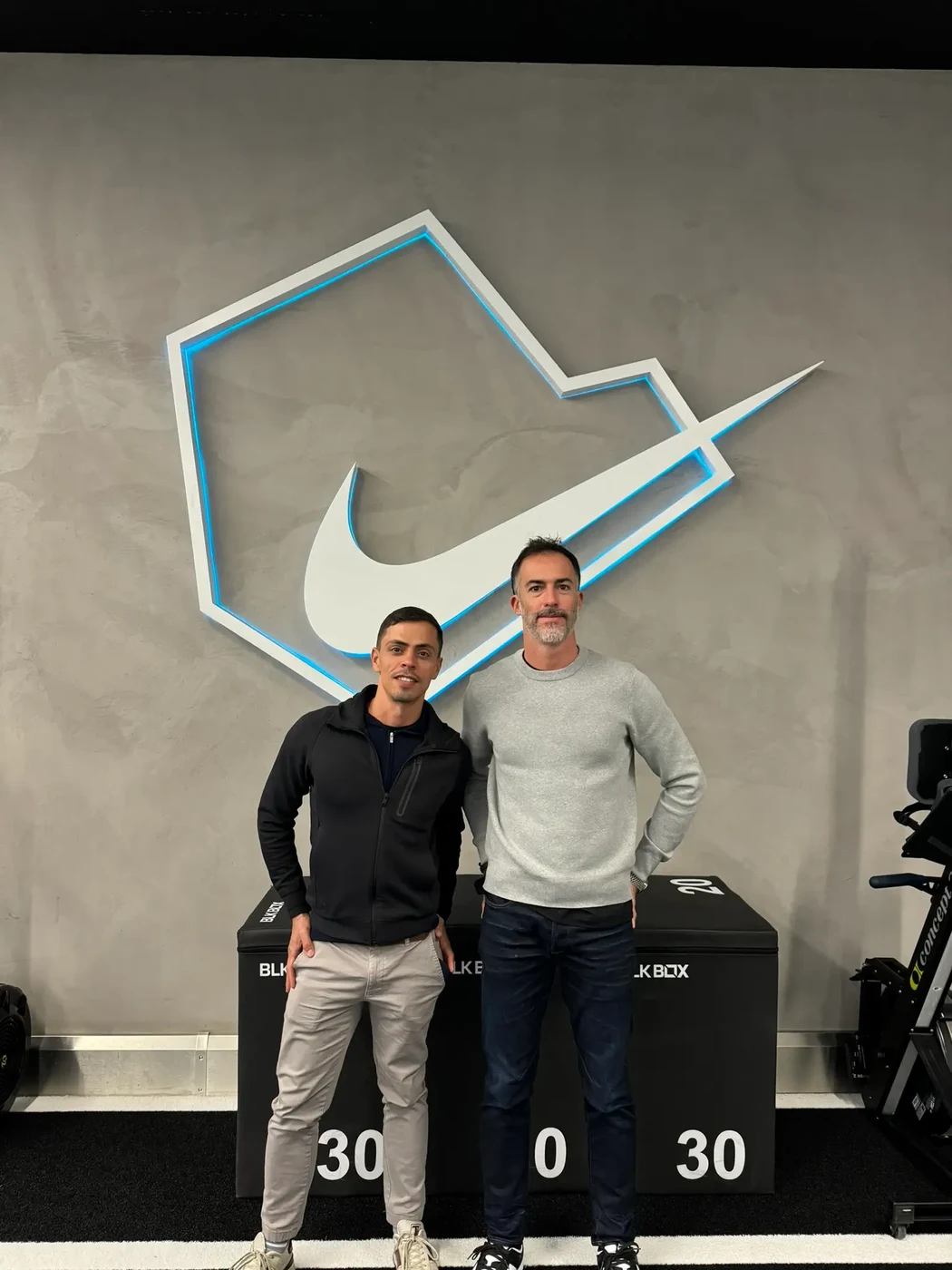
Eventtia embedded as infrastructure across three Nike digital surfaces: Nike.com, the iOS app, and the Android app. Attendees never see Eventtia. This is what API depth looks like when it's real.
Built the Model Context Protocol server so AI agents could operate the platform natively. The bet: the next wave of event software is going to be operated by both humans and agents. We'd rather be the first event platform built for that.
The conversation usually starts with thirty minutes and a few honest questions about your program. No deck. No pitch. An honest read on fit.
Talk to us →